A useful Sugargoo hoodie spreadsheet should help you narrow a choice, not tell you that every photographed hoodie is a good purchase. UK buyers also need to consider layering, the seller's measurement method and the extra parcel space a thick garment can occupy. This guide uses the site's existing hoodie category as a starting point. Product names are catalogue identifiers, not authentication, ownership or quality claims. Verify current options, price and availability on each linked listing before making a purchase decision.
Decide how the hoodie will be worn
Start with a practical use: a light layer under a coat, a roomy everyday pullover or a zip-up that can be opened indoors. Write down the feature that makes the purchase worthwhile. If you need a specific sleeve length or a hood that fits comfortably beneath another layer, that should guide the shortlist. A popular graphic is not a substitute for the construction and measurements needed for your intended use.
Choose a reference garment from your wardrobe that serves the same purpose. A thin fitted sweatshirt is a poor reference for an oversized winter layer unless you deliberately account for the difference. Note what you like and dislike about its fit. This turns a vague preference such as “slightly oversized” into a comparison you can explain. Use the same reference for every candidate instead of changing your standard when an attractive photograph appears.
Read the listing behind each catalogue card
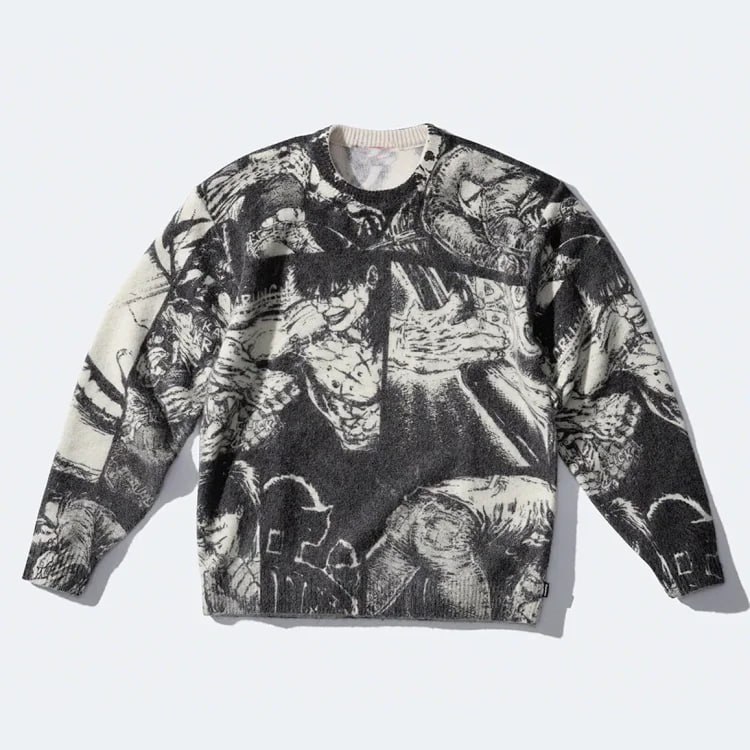
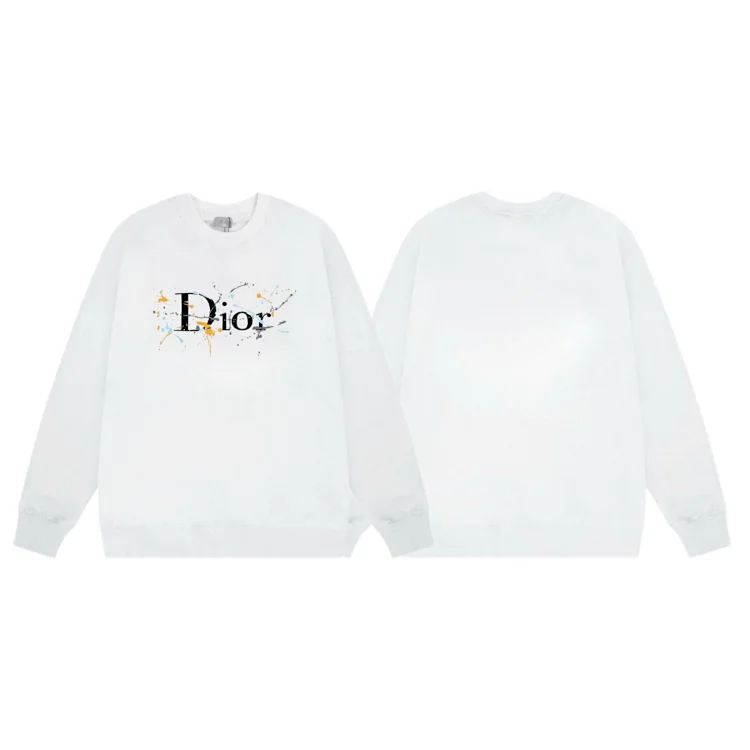
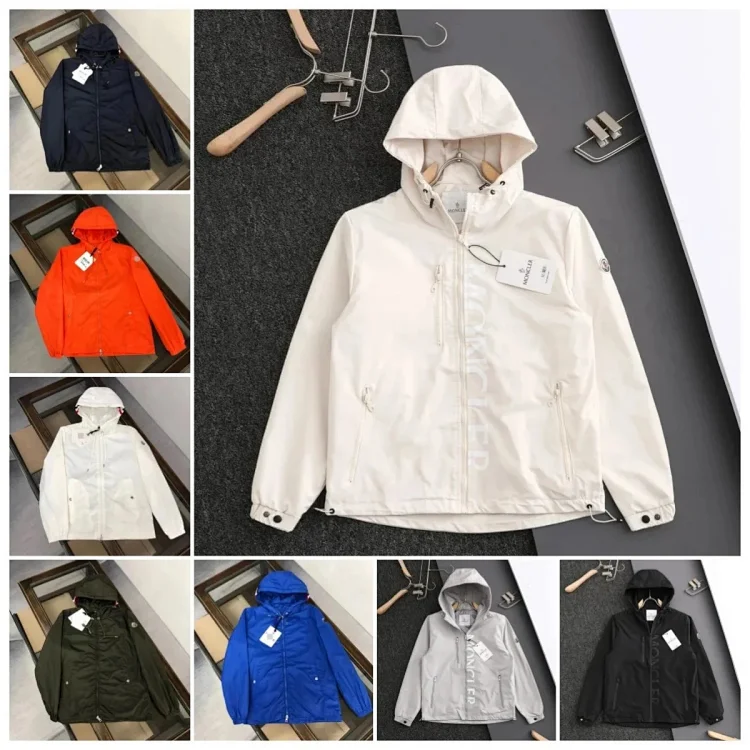
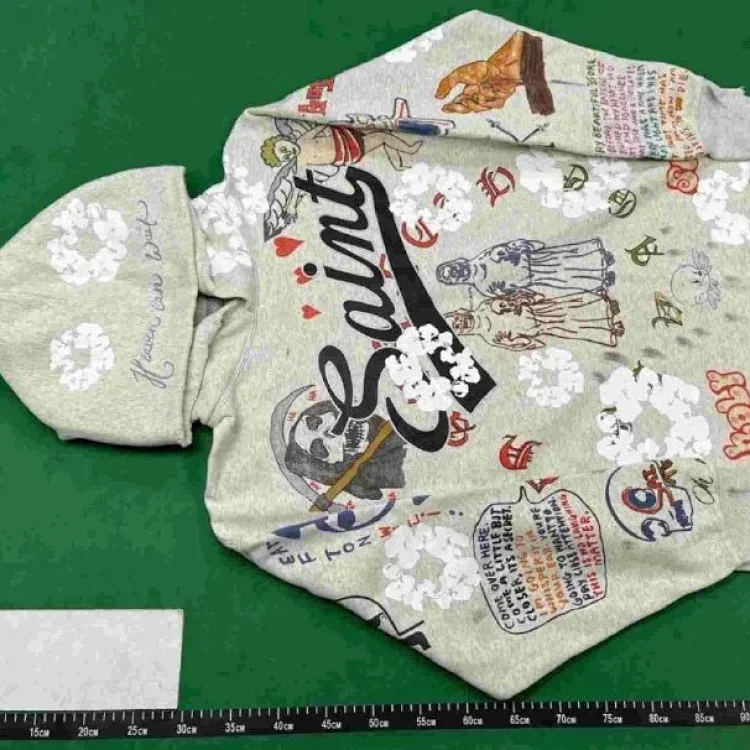
The current category includes catalogue entries labelled Adidas × Dragon Ball Graphic Hoodie, Dior Minimal Hoodie and Supreme Classic Hoodie. Those labels identify links to inspect; they do not establish authenticity, fabric weight or quality. The category also contains a Moncler Windbreaker entry. A windbreaker should not be assumed to be a hoodie merely because it appears in that browsing group. Confirm the actual garment type on the live listing.
Open each candidate separately and record its seller, selected colour, selected size, stated material, size chart and included details. If one title covers multiple options, check the image and price associated with the exact option. A low starting price may belong to a different variation. Keep unclear claims marked as unknown. The shortlist becomes useful when it exposes missing information instead of silently filling it with assumptions drawn from the product name.
Measure a reference hoodie consistently
Lay your reference garment flat without stretching it. Record chest width from side to side, body length using a stated starting point, shoulder width where seams are meaningful and sleeve length using the seller's convention. Note whether a hood, collar or ribbed hem is included in a measurement. A photograph showing the tape endpoints makes the method easier to repeat. Keep centimetres as the common unit throughout the comparison.
Do not compare a flat chest width directly with a body circumference. Do not use a shoulder-to-cuff sleeve figure against a collar-to-cuff measurement without adjusting the method. Dropped shoulders and raglan sleeves complicate comparisons, so ask which endpoints the seller used. The aim is not to produce a universal UK-to-Chinese size conversion. It is to identify which available garment is closest to the shape and dimensions you actually want.
Compare differences rather than trusting a size letter
Suppose your reference hoodie measures 58 cm across the chest and 69 cm in body length. A hypothetical listing with a 60 cm chest and 66 cm length would be wider but shorter by that comparison. Calling both “L” would hide the difference. Those numbers are an illustration, not a recommendation for a body size. Decide whether each difference works for your intended fit, movement and layering.
Check the seller's stated measurement tolerance and whether the figures describe the garment or a recommended body size. If the chart is missing, request clarification before purchase. Do not compensate for uncertainty by automatically buying one or two sizes larger. A wider chest can come with an unsuitable body length or sleeve shape. Record the chosen variant and the evidence behind it so a later warehouse measurement answers the same question.
Treat fabric and warmth claims as claims to verify
Photos can show visible texture, lining and construction details, but they cannot prove fibre composition or a precise fabric weight. A thick-looking fold is not a measurement of GSM. If material or fabric weight matters, look for a clear specification tied to the exact product and variant. Distinguish a seller's statement from information you have independently verified. Do not invent a performance rating because a garment has an outdoor-style title.
Consider practical details visible in the listing: pullover versus zip fastening, hood construction, ribbed cuffs, pocket shape and whether the inside is brushed or looped when shown. Ask about missing details that affect your decision. For UK layering, a bulkier garment may fit less comfortably beneath an existing coat even if the chest width looks generous. Compare the whole arrangement rather than interpreting “heavyweight” as automatically warmer, better made or more suitable.
Use warehouse QC to answer the remaining questions
Once the item is received, confirm that the photos belong to the correct order and variant. Check colour label, size label, graphic placement, seams, cuffs and visible condition. Ask for a targeted measurement when the standard views cannot resolve a fit-critical dimension. Give clear endpoints, such as a flat chest measurement between the side seams, and state that the garment should not be stretched. One useful measurement can matter more than several decorative close-ups.
Compare the result with your saved chart and reference garment. If the apparent issue is uneven colour or a tilted graphic, consider lighting and the garment's position before concluding that it is defective. Request a clearer view when needed. QC photos cannot establish comfort, long-term durability or authenticity. Use them to decide whether the visible item matches the order closely enough to keep, exchange or request a return while that option remains available.
Include the hoodie in a realistic parcel budget
The catalogue's reference USD price covers neither a complete UK delivery budget nor a guaranteed current listing total. Add domestic delivery where applicable and estimate international freight separately. A soft garment can still occupy considerable volume, especially with several layers or retail packaging. Use actual packed data when available, and compare route conditions for the whole parcel rather than calculating shipping from the hoodie price alone.
Compact folding may reduce empty space, but avoid assuming that every fabric, print or padded feature tolerates aggressive compression. Ask about suitable packing when the construction warrants it. If you combine the hoodie with a rigid box or heavy accessory, the combined shape and protection needs change. Compare the complete parcel with and without the item before adding it simply to “make shipping cheaper”. Extra spending is still extra spending even when a per-item ratio improves.
Keep a shortlist that leads to a decision
For each candidate, keep seven fields: exact link, variant, garment type, key measurements, material claim, unresolved question and maximum acceptable delivered cost. Add the date checked. Reject or pause a candidate when a critical field cannot be clarified. This creates a useful comparison even when none of the listings has a reliable review history. It also prevents a changed seller photograph from erasing the basis of your original selection.
After QC, add the warehouse measurement and a keep, exchange or return decision. Resolve problems before international parcel submission. Save the relevant evidence privately, and do not treat somebody else's fit report as a substitute for your own garment comparison. Return to the hoodie category for discovery, the QC guide for visual inspection and the shipping guide for parcel planning. A good purchase connects those three stages instead of relying on one attractive product card.
The strongest hoodie choice is the one whose fit, construction and delivered budget you can explain. Use product discovery to build the shortlist, measurements to choose the variant and warehouse evidence to check what was actually received.