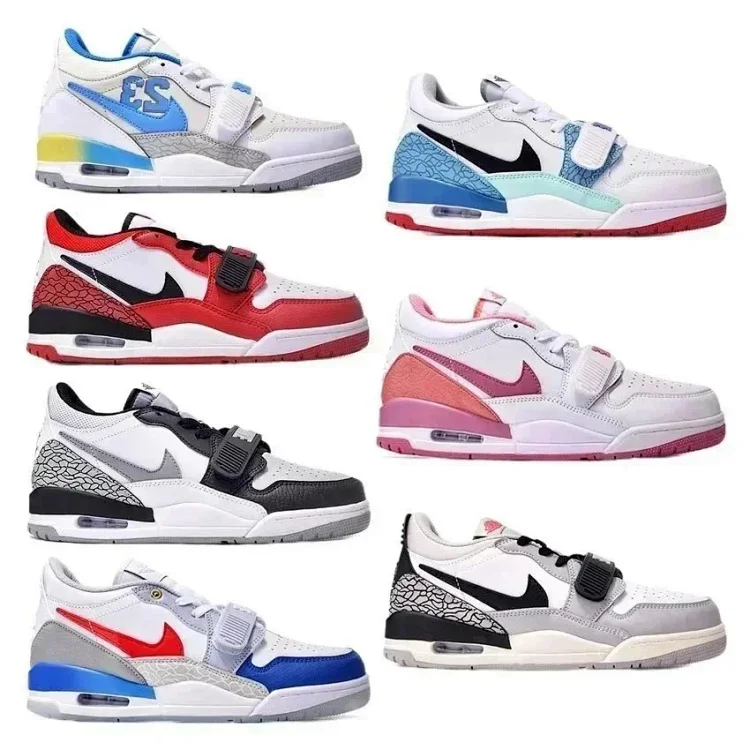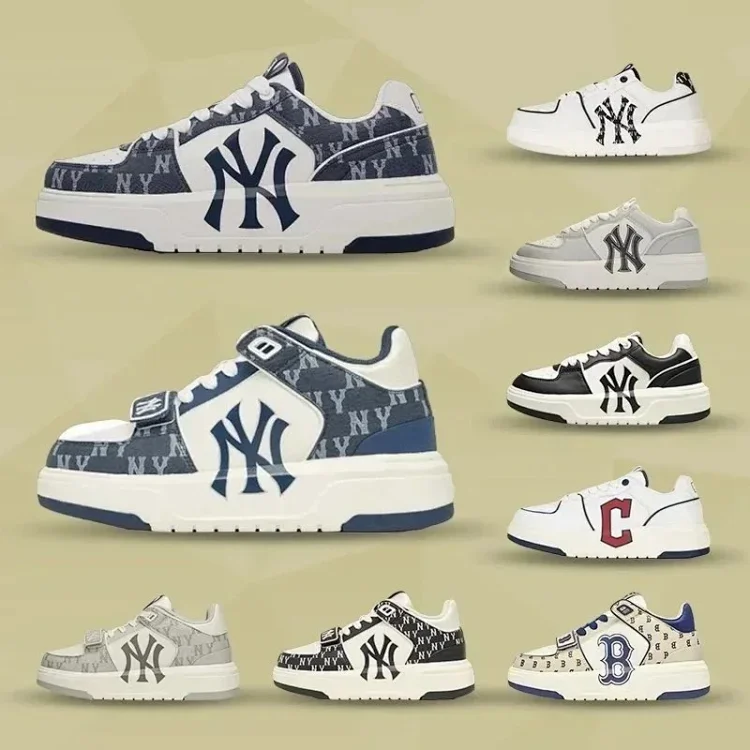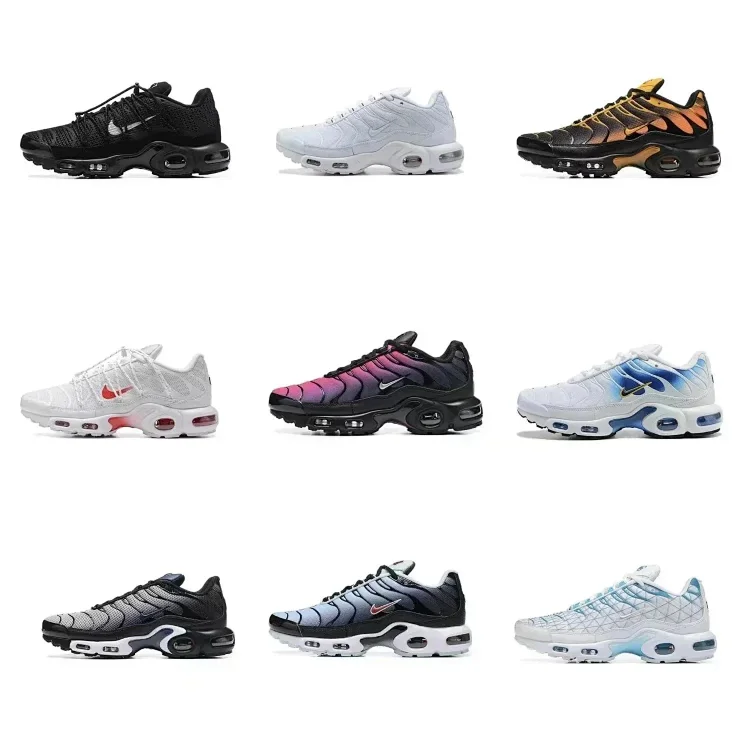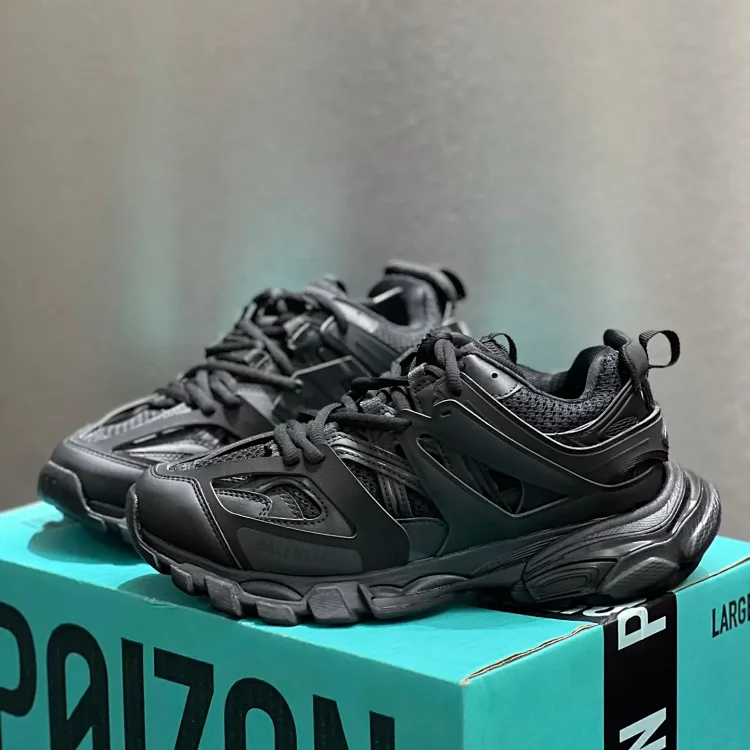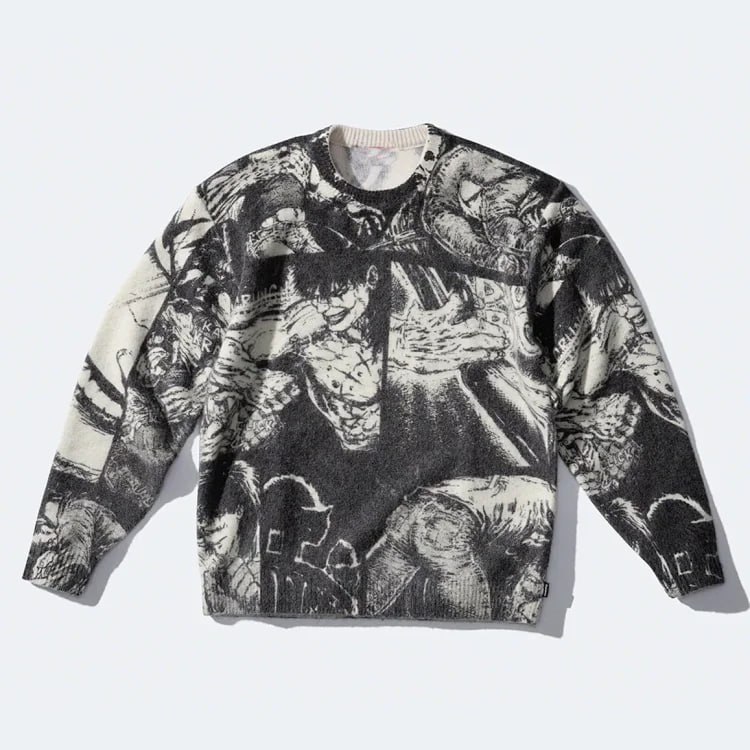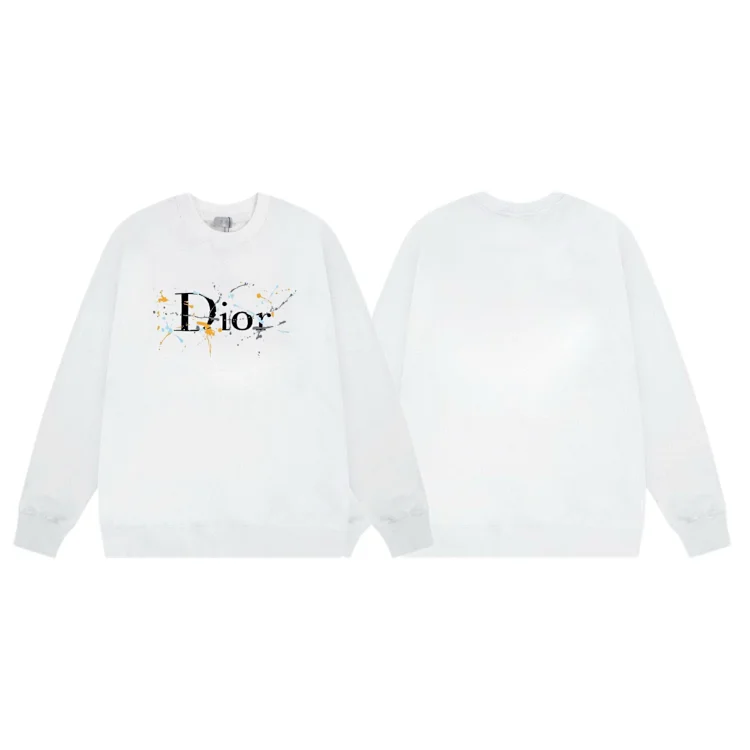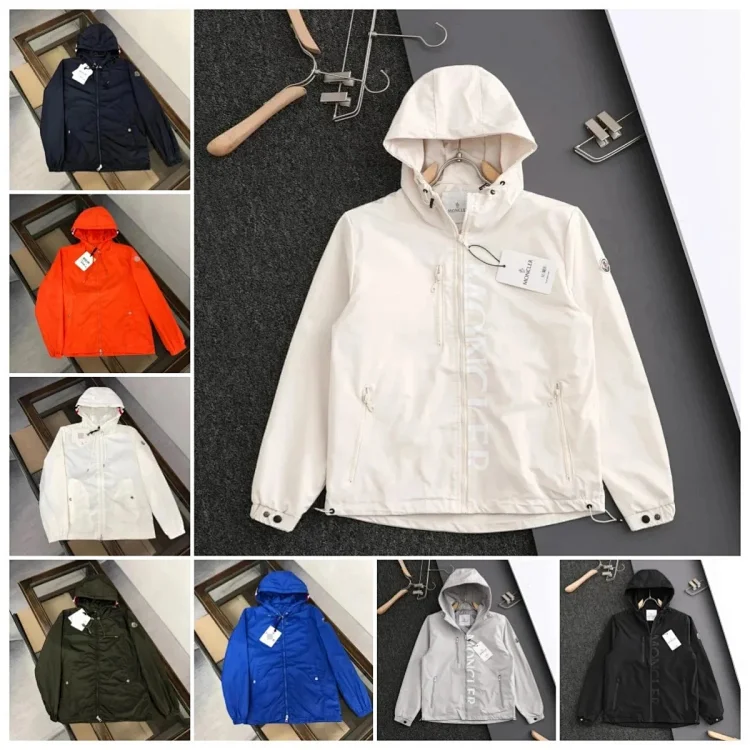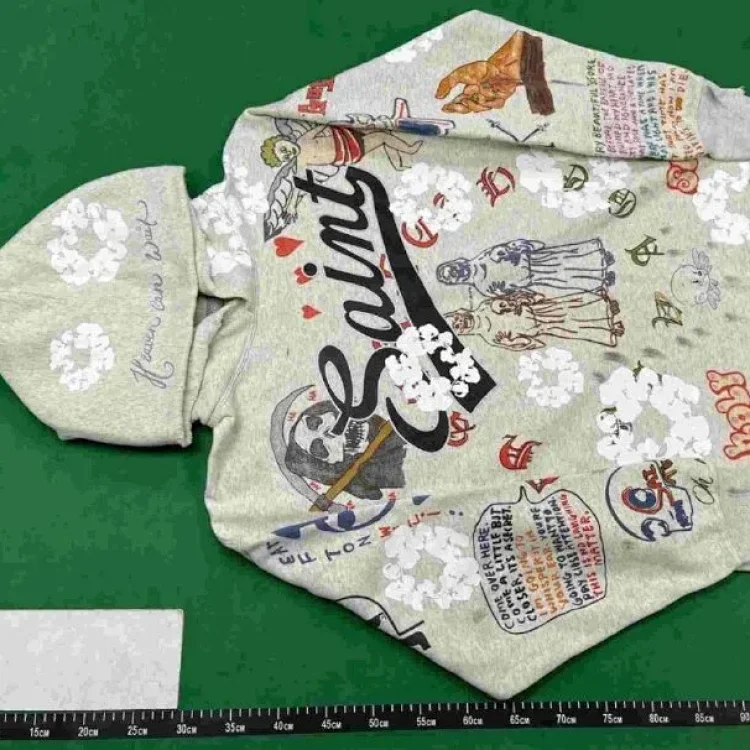
QC photos are useful because they move the decision from a seller’s generic images to the item that reached the warehouse. They are still limited visual evidence, not a certification. Sugargoo’s published guidance says five basic photos are normally provided after warehouse arrival. The number matters less than using a consistent reading order and knowing when a targeted measurement or detail photo is worth requesting. This checklist is designed to produce a clear keep, exchange or return decision before international shipping.
First confirm that the photographs belong to the right order
Begin with the order record beside the images. Check colour, model, quantity, size and any option that changes the product. A clean set of photographs of the wrong variant is still a failed order. For multi-part items, compare the listing’s included-parts description with what is visible. If the seller used a generic variant name, refer back to the screenshot saved at purchase.
Do not let a prominent logo or attractive angle shortcut this step. Identity errors are often easier to demonstrate than subjective quality concerns: the order says black, the received item is grey; the order says size L, the label says M. Capture the order detail and the relevant warehouse image together. If a photograph is too distant to confirm the option, request the specific view needed rather than asking for more photos without a purpose.
Read the overall shape before zooming into details
Look at silhouette, proportions, symmetry and how the item sits. Clothing photographed flat may show twisted seams, uneven hems or a print that is visibly off-centre. For shoes, compare the left and right pair, heel height, toe shape and panel alignment. For bags or accessories, check whether the body is distorted and whether matching hardware is positioned consistently.
Perspective can mislead. A wide-angle phone photo, a tilted item or uneven stuffing can make one side look larger. Compare multiple views before calling an asymmetry a defect. If the suspected issue appears in only one image, ask for a straight-on photograph or a ruler reference. The goal is not to hunt for microscopic differences; it is to identify features that materially affect appearance, fit or function.
Separate construction problems from cosmetic variation
Move next to seams, edge finishing, print alignment, zips, buckles, eyelets, fasteners and visible adhesive. A loose structural seam, broken fastener or missing component deserves more weight than a removable thread end. On printed clothing, check whether the graphic is complete and positioned as expected. On footwear, look where panels meet and whether the sole sits evenly around the upper.
Warehouse images may compress colours and hide texture, so be careful with fine shade judgments. Lighting, camera white balance and screen settings can all shift the result. If colour accuracy is central to the purchase, ask for a neutral-light image and compare it with the named variant rather than an edited marketing photo. Describe concerns in observable terms—such as a gap, tilt, stain or broken piece—instead of using a broad label like ‘bad quality’.
Measure the dimensions that decide fit
A label does not tell you the finished dimensions of an individual garment. Size charts can be ambiguous, batches may vary and the way an item is laid out can change the reading. Identify the measurement that affects your decision: chest width, garment length, waist, inseam, outsole length or insole length. Request a ruler photograph that shows both endpoints clearly.
Compare like with like. A flat chest width is not the same as a full chest circumference, and an outsole is not an insole. Allow for the tolerances stated by the seller rather than treating a few millimetres as a universal defect. Use a garment or shoe you already own as the reference. This produces a more useful decision than relying on S/M/L conventions across unrelated sellers.
Inspect labels and packaging for practical reasons
Labels can confirm the ordered size, care information or product code, but they do not prove authenticity. Check them where they help identify the item or explain maintenance. Packaging should be inspected for missing protective parts, obvious transit damage or anything that could affect storage and international shipping.
Packaging is also a freight decision. A rigid retail box may protect an item or matter to the buyer, but it can increase parcel dimensions and therefore volumetric weight on some routes. Decide whether to keep it after QC, not automatically. Removing a box to save space is sensible only if the warehouse can replace the lost protection appropriately. Photograph the condition before discarding anything you may later need as evidence.
Request one targeted photo instead of five vague ones
Extra-photo requests are most useful when framed as a question. ‘Place a ruler across the chest from pit to pit’ is actionable. ‘Please check quality’ leaves the operator to guess what matters to you. Mark the location in an existing image when possible and state the angle, distance or measurement required.
Prioritise evidence that can change the decision. A close-up of an already accepted detail adds little. A straight photograph of a suspected tilted print, the reverse side of a stain or a measurement tied to fit may decide whether returning the item is worth the time and domestic freight. Keep the request concise and avoid asking warehouse staff to determine authenticity or make a subjective style judgment that the photos cannot support.
Turn the inspection into a written keep-or-return decision
Record the outcome as keep, request more evidence, exchange or return. Add one sentence explaining why and save the relevant images. If several items are waiting, a simple decision log prevents an unresolved product from being included accidentally when a parcel is submitted.
Sugargoo’s published returns guidance shows why timing matters: an unpurchased order, an item already sent by the seller and a warehouse return do not follow the same path. Seller acceptance, the applicable return window and return freight can affect the result. Raise a visible mismatch promptly and use the exact order facts. Once the item has entered international shipping, a warehouse return is no longer the same option.
Know what QC photos cannot establish
Static images cannot verify authenticity, material composition, internal construction, smell, long-term durability or how the item performs after repeated use. They may not reveal a mechanism that fails under load. Even a careful visual inspection is a reduction in uncertainty, not a promise of quality.
That limit should shape product selection. Prefer listings with clear specifications, usable measurements and seller terms you can evaluate before purchase. Use QC to verify visible identity and condition, not to rescue an unclear listing after the fact. The strongest workflow combines pre-purchase source checks with post-arrival visual evidence; neither stage is sufficient alone.
The fastest QC process is not the one with the fewest photographs. It is the one that asks a fixed sequence of questions, requests only decision-changing evidence and reaches a documented conclusion while a warehouse return may still be possible.