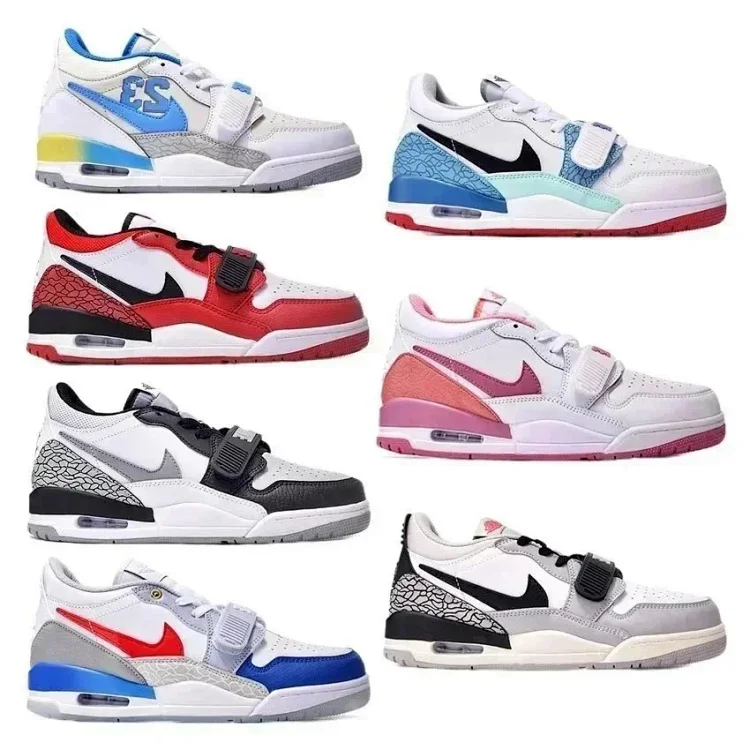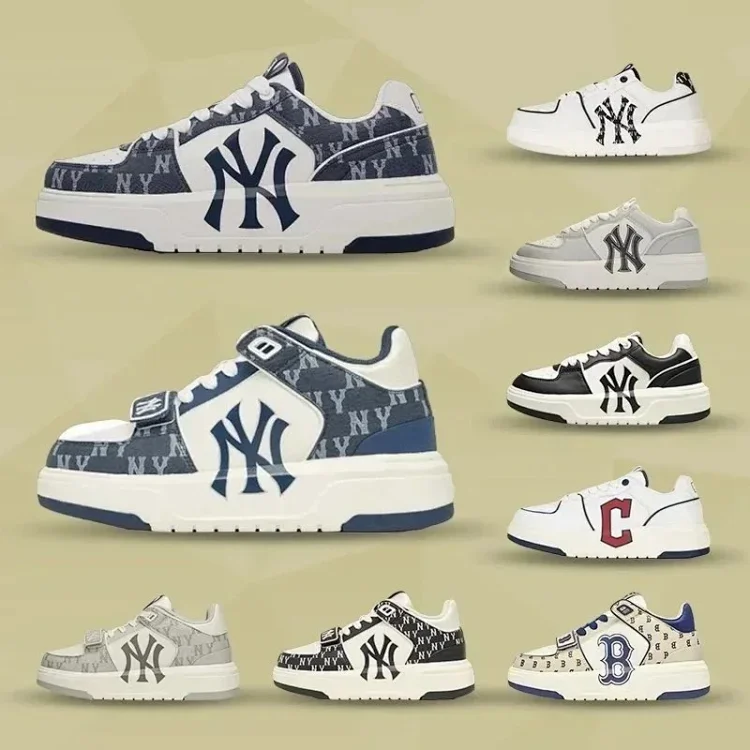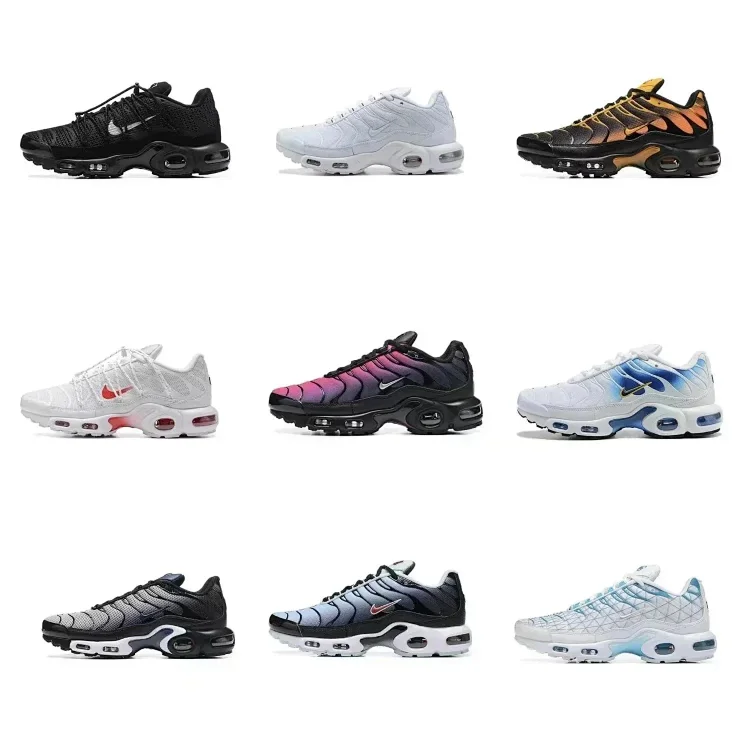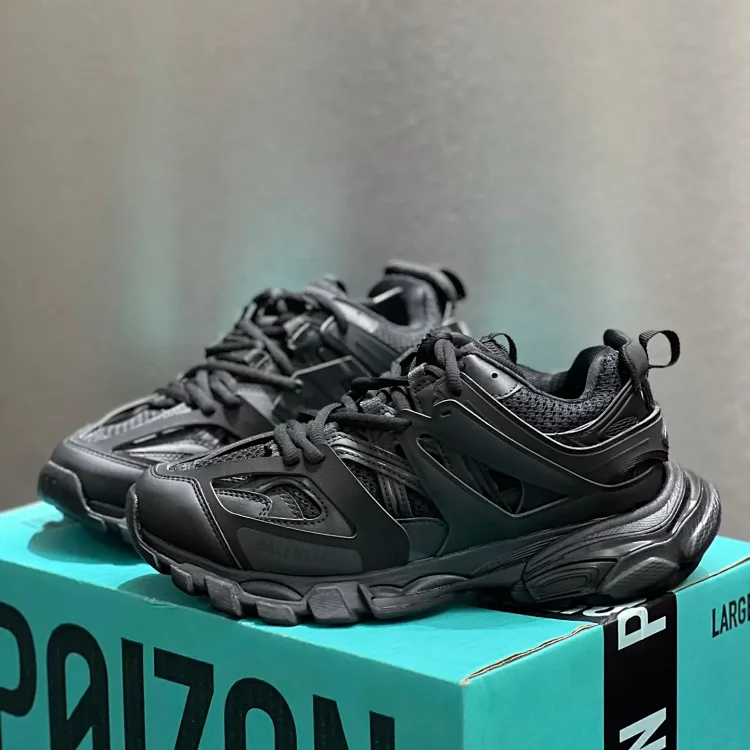
Shoe QC works best when it answers a fixed set of visual questions before the pair enters an international parcel. The goal is not to award a quality badge. It is to confirm the ordered identity, compare the left and right shoe, document visible construction, and collect measurements that can still change the keep-or-return decision.
Build the shoe record before opening the photos
Start with the exact source listing, seller option text, selected colour, printed size, model or version, quantity and any promised accessories. Save that record with the order identifier and check date. Similar shoes can share an upper shape while differing in colour code, sole construction or included parts. Without a precise target, a detailed warehouse image can be judged against the wrong variant.
Create four result columns before inspection: confirmed, unclear, mismatch and not visible. This prevents uncertainty from being silently converted into approval. A colour can be confirmed while the insole length remains unclear; the pair count can be correct while an accessory is not visible. Each field should carry its own decision and evidence reference rather than one overall ‘looks good’ verdict.
Verify identity, pair count and orientation first
Confirm that two shoes are present and appear to form a left-right pair in the ordered colour and size. Check visible tongue labels, size stickers, model markings and major colour blocks. Labels are identity evidence, not proof that the fit will match another brand or that the item is authentic. If the label cannot be read, request a close-up of that exact area instead of inferring from the box or seller image.
Use an orientation checklist: pair together from above, lateral sides, medial sides, heels, toes and outsoles. The same angle matters because perspective can make the nearer shoe look larger. If the warehouse set does not provide comparable views, say ‘not comparable’ rather than calling one shoe misshapen. A targeted retake with both shoes aligned on the same surface can answer more than several unrelated close-ups.
Read shape and symmetry without demanding impossible perfection
Compare toe-box height, heel height, collar opening, panel outline and the way both shoes sit on a flat surface. Look for a persistent lean, collapsed structure, sharply different panel shape or an outsole that does not sit flat. Then check whether the difference repeats across more than one view. Packing pressure, loose lacing and camera angle can temporarily change appearance, so a single asymmetric frame is a reason to investigate, not automatic proof of a defect.
Distinguish pair symmetry from design symmetry. Some designs deliberately place graphics or panels differently, while hand-finished elements can show small variation. Use the source listing only to establish the intended design, not to claim that its marketing image is a tolerance standard. Record a measurable or locatable difference: ‘right heel counter appears lower in views 2 and 5’ is more useful than ‘shape bad’.
Inspect stitching, joins and visible adhesive
Follow major seam paths from toe to heel. Check whether stitching remains within the panel edge, whether rows stop unexpectedly, and whether loose thread is merely an untrimmed end or accompanies an opening seam. Inspect where the upper meets the midsole, especially around the toe, flex area and heel. A thin visible adhesive trace can be cosmetic; a gap, lifted edge or misaligned join is more actionable because its location and extent can be documented.
Use a severity ladder. Level one is a small cosmetic variation visible only in close-up. Level two is a repeated or prominent issue that changes appearance but has no visible opening. Level three is a structural warning such as separation, torn material, missing stitching or a sole not seated against the upper. Photographs cannot predict wear life, so describe the visible condition and decide whether it exceeds your acceptance threshold without promising future failure.
Check soles as a pair, not as isolated product shots
Ask for both outsoles in one frame when tread, size marking or wear matters. Compare pattern direction, moulded text, colour, edge finish and apparent unused condition. Warehouse photos can reveal dirt, scuffs, chips or inconsistent moulding that are visible at that moment. They cannot prove compound composition, grip, cushioning performance or long-term durability. Avoid turning a familiar-looking tread pattern into an authenticity conclusion.
For the side profile, compare midsole height and the line where sole and upper meet. If one shoe looks longer, check camera distance before concluding. A measurement is useful when the listing gives an outsole length or when the pair appears inconsistent. Specify endpoints—furthest heel to furthest toe—and ask that the ruler or tape lie in the same plane as the sole so perspective does not add false length.
Measure size evidence that can change the decision
A printed size is not the same as usable internal length. If fit is important, the most useful request is often a removable insole photographed flat beside a straight ruler, from the extreme heel point to the extreme toe point. If the insole cannot be removed, an outsole length or visible internal measurement can provide context but should not be treated as equivalent. Record the method alongside the number so future readers do not compare incompatible measurements.
Use a tolerance decision prepared in advance. Compare the measured insole with a well-fitting shoe measured by the same method, not only with a generic conversion chart. Allow for the space your foot needs and the design of the shoe, but do not invent a universal centimetre allowance. If the tape bends, endpoints are hidden or the image angle distorts the scale, mark the measurement low confidence and request one corrected photo rather than averaging guesses.
Account for laces, insoles, box and accessories
List expected contents before inspection: two shoes, two insoles, laces, spare laces, tags, dust bags or other accessories only when the exact purchased option shows them. Do not infer inclusions from a promotional image for another variant. Use a count image with all relevant pieces visible, then request a detail only for an uncertain component. Packaging can protect the item, but a retail box is separate evidence from the shoes and may not confirm what is inside.
If the box is visibly crushed, decide whether the box itself matters or whether shoe protection is the real concern. Examine the pair for transferred pressure, deformation or surface marks. The later choice to keep or remove a box affects parcel dimensions and protection, but this QC article does not assume a fixed shipping saving. Record the box condition and make the packaging decision using current parcel measurements and options.
Turn the review into one documented action
Finish with one of three outcomes. Approve when identity is correct, the evidence is sufficient and visible issues are within your stated threshold. Request targeted evidence when one answerable question remains, naming the area, angle, comparison or measurement. Start the current return or exchange workflow when a material mismatch or unacceptable visible issue is documented and the order remains eligible. Check the live order instructions because seller conditions and action windows can vary.
Save the order selection, the relevant QC images, the check date and the decision in one folder or record. Hide names, account details, addresses and unrelated orders before sharing. A good Sugargoo shoes QC record does not say that the pair is perfect. It says which shoe, option and evidence were reviewed; which observations were confirmed or uncertain; and why the available evidence supported approve, ask or act.
The most defensible shoe review is a chain of small checks: correct pair, comparable views, visible construction, readable size evidence and complete contents. Keep each conclusion inside the limits of the photograph and make the next action explicit before international shipping removes easier warehouse options.