Start with the finished parcel: destination, contents, actual weight and all three outside dimensions. Compare current eligible quotes with the same packing and optional services. The calculation below estimates weight; it does not quote postage.
The useful answer to “how much is Sugargoo shipping to the UK” starts with your parcel. A price from somebody else's haul leaves out its dimensions, contents, destination and booking date. This guide shows how to build a repeatable estimate, identify the variables that still need checking and decide whether an item remains affordable after delivery. The examples below are planning exercises, not current carrier prices. Product cards on this site use reference USD prices; your payment provider's GBP charge can differ.
| Plan | Actual weight / dimensions | Calculated volumetric weight |
|---|---|---|
| Keep original packing | 2.4 kg / 40 × 30 × 20 cm | 4 kg |
| Safe repacking | 2.4 kg / 40 × 30 × 15 cm | 3 kg |
| Before choosing | Check divisor, rounding and limits | Compare payable totals including packing |
Separate the purchase budget from the shipping budget
Record product cost and domestic delivery separately from international freight. Add any optional inspection, packing or payment charges only when they apply to your order. Keep destination charges as another line that must be checked against current rules and the selected service. A “shipping cost” screenshot might include a discount while excluding these other costs. Without this separation, two buyers can report different totals even when their carrier price is similar.
Make a small budget record with a description, currency, amount, status and date for each line. Mark an amount as paid, quoted or estimated. Do not add a USD catalogue price directly to a CNY shipping quote. Convert consistently for planning, then replace estimates with the actual payment totals. Keeping the original currencies alongside the conversion lets you identify whether freight, product options or exchange costs caused the difference.
Enter destination and contents before comparing prices
Sugargoo's published estimator workflow asks for destination country and region, product category and weight. It also describes entering dimensions for bulky goods. Select the actual destination and accurate item category before looking at the cheapest result. The same weight can produce different eligible routes when the contents change. A route that accepts ordinary clothing should not automatically be assumed to accept everything you can place beside it in a box.
Write a contents list before estimating: item, quantity, approximate weight, retail packaging and any characteristic requiring special confirmation. For a mixed basket, check eligibility for the whole combination. Do not relabel goods simply to make a cheaper route appear. If a field is unclear, resolve that uncertainty through the platform before paying for the products. An attractive quotation is not useful when its inputs describe a different shipment.
Use packed measurements rather than product dimensions
A garment's chest width or a shoe's length does not describe the outer parcel. Shipping calculations concern the package the carrier handles. Early estimates can use a sensible packing allowance, but final comparisons need finished weight and outside dimensions. Record whether boxes, protective material and accessories are included. Otherwise the warehouse's later measurements may look like an unexplained increase when the earlier estimate simply omitted necessary packaging.
Measure all three sides in the units requested. Check whether weight is entered in grams or kilograms. A hypothetical 2.4 kg parcel measuring 40 × 30 × 20 cm has 24,000 cubic centimetres of volume. With an illustrative divisor of 6,000, its volumetric weight is 4 kg. If a route bills the greater value, volume drives that example. The divisor and comparison rule must come from the actual route, not this illustration.
Compare a second packing plan with the same assumptions
Suppose safe repacking reduces that hypothetical parcel to 40 × 30 × 15 cm while its actual weight remains 2.4 kg. The same illustrative divisor gives 3 kg of volumetric weight. This demonstrates the effect of removing empty space; it does not establish a monetary saving. A carrier may use different measurement rules, minimums or billing increments. The cheaper-looking theoretical weight must be checked in the live estimator.
Keep a before-and-after record: dimensions, actual weight, divisor, billed weight and displayed total. Ask what protection would be removed to achieve the smaller package. Folding a loose hoodie differs from compressing a structured accessory or discarding the only rigid protection around fragile parts. Choose the smaller package only when the packing plan remains suitable. Saving volume should not create a predictable damage problem that costs more than the freight difference.
Read each eligible route as a set of conditions
For every candidate, note the quote date, accepted contents, size limits, billing method, displayed delivery range and available tracking. Then check how compensation or an optional protection service works for that route. A route name alone is not a complete description. Similar names may have different limits, and a service mentioned in an older guide may not appear for your current destination or parcel.
Compare like with like. One total might include an applied coupon; another may include extra packing or a different protection selection. Remove those differences from your comparison or show them clearly. Never select an ineligible route on the assumption that warehouse staff will silently solve the mismatch. When there are no suitable results, revisit the inputs and consult support. Splitting a mixed parcel may create options, but calculate both parcels' complete costs before deciding.
Test whether consolidation actually improves this basket
Compare shipping everything together against two realistic smaller parcels. For each plan, use its own packed dimensions and eligible routes. Combining orders can remove duplicated packaging, but it can also produce a bulky box or cross a route limit. There is no universal parcel weight that guarantees the best value. The right comparison is the total cost of all parcels required to deliver the same retained items.
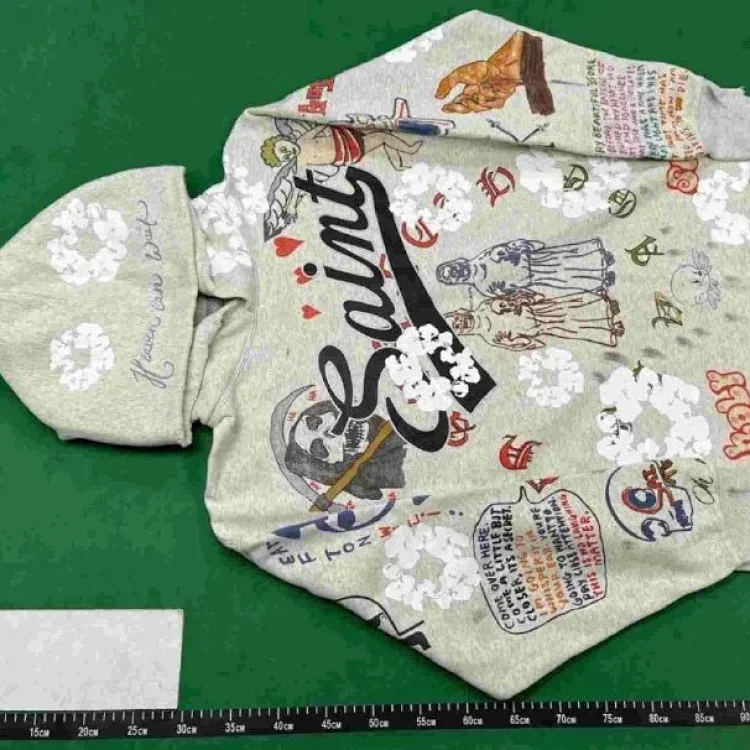
Consider a hoodie waiting for a rigid shoe box. Shipping them together may distribute a starting charge, yet the box may dictate the outer dimensions. Removing that box could help if protection remains adequate. Alternatively, keeping the box and sending a separate parcel might fit your priorities. Record the reason for the choice: budget, protection, timing or eligibility. Do not keep adding products solely to chase an assumed “ideal haul size”.
Recheck the quotation after warehouse decisions are finished
Resolve returns and confirm which items are staying before paying international freight. If your parcel changes, rerun the estimate. Sugargoo's published material describes a pre-shipment simulation for obtaining more realistic packing information; check its current availability and fee before choosing it. Treat the result as a better planning input, while still reviewing the actual submission total and conditions before completing payment.
A helpful final comparison has three columns: original estimate, packed result and explanation. A larger outer box, a different route, a removed discount or a changed service selection are different causes and require different decisions. Ask for clarification about a specific difference instead of assuming every increase is an error. Keep the quote and the final invoice together so future planning uses an understood example rather than an unexplained number.
Keep a budget boundary and a useful record
Set a maximum total you are willing to spend before your basket expands. Include a reserve for unresolved costs, but do not present an arbitrary percentage as a platform rule. If a plausible final shipping outcome makes the purchase unattractive, reduce the basket or reconsider before buying. A cheap item becomes expensive when you only evaluate its price after committing to the rest of the journey.
Save the selected route, parcel contents, packed measurements, quotation date and payment total. Remove personal addresses and order identifiers before sharing any example publicly. When you compare a later shipment, match its circumstances before borrowing the old price. Use the site's shipping tool for weight arithmetic, the live platform for the quotation and the buying guide for the sequence of decisions. Each answers a different part of the budget question.
TRY THE NUMBERS
Use the higher figure for a cautious comparison. The live route quote remains final.
A useful UK shipping estimate is reproducible: another person could enter the same parcel details and understand the comparison. Keep unknowns visible until they are resolved, and judge the complete delivered purchase instead of the lowest number on a route card.