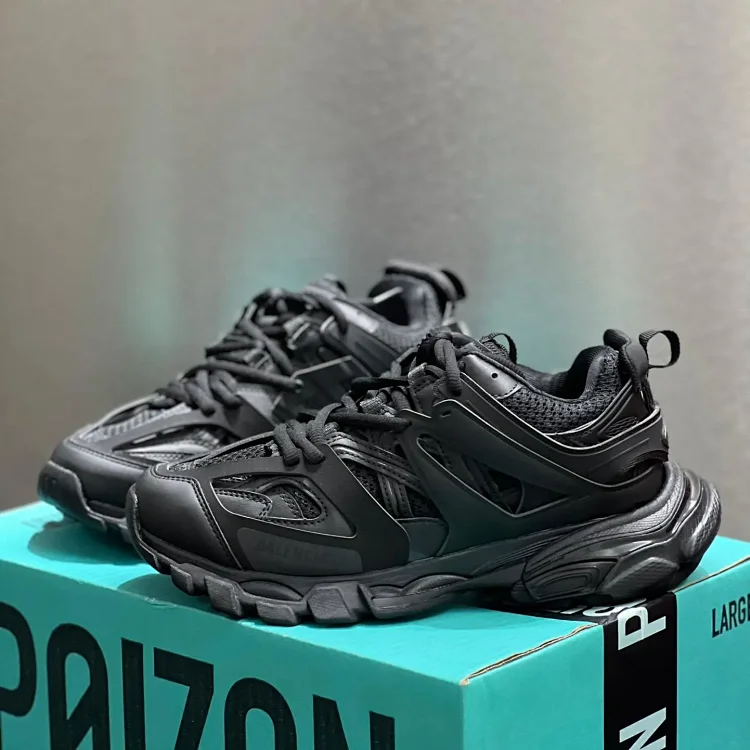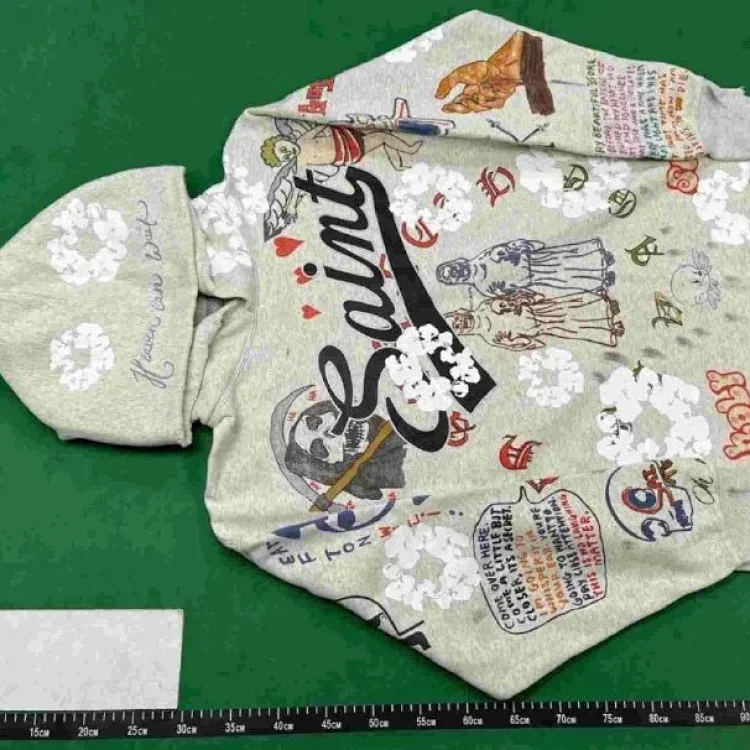
Sugargoo rehearsal shipping, also described as pre-shipment package simulation, helps turn a warehouse item list into a more realistic parcel measurement. Its useful output is information: the packed weight, outside dimensions and chosen packaging arrangement. It is not a guarantee of cheaper postage or a booked international shipment. This guide walks through preparing the request, reading the result and using it in a UK route comparison. The worked figures are invented examples; confirm the current rehearsal fee, available services and route rules in your account.
| Plan | Actual / outside size | Volume / chargeable before rounding |
|---|---|---|
| A: original packing | 3 kg / 45 × 35 × 25 cm | 6.56 kg / 6.56 kg |
| B: safe compact packing | 3 kg / 40 × 30 × 25 cm | 5 kg / 5 kg |
| Decision | Check the route’s own rule | Compare final quotes plus service costs |
Decide whether the missing information matters
Rehearsal is most useful when packing uncertainty could change your decision. Several rigid boxes, mixed fragile and soft items, or a parcel close to a route size limit are reasons to investigate. If the basket is simple and the existing measurements already leave a comfortable margin, paying for more information may add little. Judge the service against a concrete unanswered question, such as whether retaining two retail boxes excludes a route.
Write that question before purchasing the service. You might need to know the dimensions with replacement protection, whether an item must travel separately, or whether compression would reduce a billed weight tier. Rehearsal cannot resolve a seller stock problem, a missing measurement needed for fit or an unclear return request. Complete those decisions at the order stage first.
Freeze the item list and finish warehouse decisions
List the exact warehouse orders, quantities and accessories intended for this parcel. Check that each item has arrived and that you have accepted the available QC evidence. Exclude items still awaiting a return, exchange or a photograph that could change your decision. Repacking a provisional basket can make the result obsolete as soon as one item is removed or a late order arrives.
Check each order’s storage deadline separately from its seller return window. Waiting for consolidation does not automatically extend either period. Save your selected item list and note anything that must remain with its original box, tags or protective inserts. The purpose is to give the warehouse a complete instruction rather than expecting staff to infer which packaging matters to you.
Submit the request through the current packing workflow
Sugargoo’s published guide places rehearsal within the Packing Center workflow: select goods, set the destination, choose rehearsal and the relevant packing services, review the route information and pay for the requested service. Interface labels can change, so match the purpose of each step to the screen in your account. Check whether you are paying for rehearsal, packing additions or actual international freight before confirming.
Review the current fee and what the request includes. Do not rely on a historical price quoted in a tutorial. Keep the request reference and a copy of the selected services. If the interface requires a route choice at this stage, check its conditions, then reassess the available choices once the packing result is ready. A simulation result does not remove the need for final parcel submission.
Write instructions that preserve necessary protection
Name the packaging to keep, remove or replace for each item. For example, a useful instruction for ordinary clothing may ask to remove duplicated seller transport bags while keeping product identification. A structured shoe or a fragile accessory needs its own protection decision. Saying only “make it smaller” leaves an important trade-off unspecified and may produce a packing arrangement you would not have chosen.
Explain any handling constraint, such as keeping a rigid component away from soft fabric or retaining a presentation box. Ask for clarification if the requested service cannot achieve both compactness and adequate protection. Compression is a choice for appropriate contents, not a universal improvement. Photograph existing damage and finish any claim about warehouse condition before asking for packaging to be discarded.
Read the result as a measurement set
Save actual weight, length, width and height, with units and the date of packing. Confirm that these measurements describe the finished outside package and the item list you approved. If the result includes notes or photos, compare them with your instructions. A number labelled product weight should not silently replace packed weight, and a dimension in millimetres should not be entered into a centimetre field.
Use the route’s own formula when estimating chargeable weight. In a hypothetical example, a 3 kg parcel measuring 45 × 35 × 25 cm has volumetric weight of 6.56 kg with a divisor of 6,000. A route billing the greater of actual and volumetric weight would start from 6.56 kg before any rounding. A different divisor or billing rule changes the result; the table is a calculation exercise only.
Compare the full saving with the cost of the change
Suppose a suitable alternative arrangement measures 40 × 30 × 25 cm with the same 3 kg actual weight. Under the same illustrative divisor, volume becomes 5 kg. That is a 1.56 kg reduction in calculated volumetric weight, but it is not a freight saving in currency. Re-enter the new measurements into the available route comparison and check the resulting payable amount, including billing increments and minimums.
Compare the difference between the complete shipping quotes with any extra packing cost. When deciding whether to order rehearsal in the first place, also consider its service fee. If rehearsal is already paid, show it in the total trip cost but do not count it again as a new cost of every later option. Keep the timing of each expense clear so the decision remains economically sensible.
Recheck eligibility and alternatives after packing
A smaller box may fit more routes, while a heavier combined parcel may exceed a limit. Check actual contents, maximum dimensions, weight limits, handling requirements and current destination availability for each result. Compare one consolidated parcel with the complete cost of a realistic split only when it helps resolve an eligibility, protection or timing issue. There is no universal best parcel weight.
Keep the same destination and service assumptions across scenarios. A comparison between tracked delivery with selected protection and a cheaper service with different terms needs those differences shown clearly. Do not describe a route as guaranteed because its estimated transit window looks attractive. Rehearsal improves packing information; it does not control carrier capacity, customs processing or final delivery performance.
Carry the result into the final shipping decision
Before submission, match the packed item list, address and chosen services to the final parcel record. Read the live shipping total and any adjustment process. If you add another item, change packaging or switch a route with different measurement rules, revisit the comparison. A screenshot of yesterday’s rehearsal is useful evidence, but it cannot describe a package that has since changed.
Save the packing result beside the final route quote and payment reference. After dispatch, use the international parcel number for tracking rather than the earlier service request number. When a cost differs from your estimate, compare the actual inputs and charges before assuming an error. This creates a clear chain from the original question to the packing result and the shipment you finally purchased.
TRY THE NUMBERS
Use the higher figure for a cautious comparison. The live route quote remains final.
Use rehearsal when better packing information can change a meaningful decision. Define the parcel, request appropriate protection, inspect the measured result and compare complete current quotes before paying for international delivery.