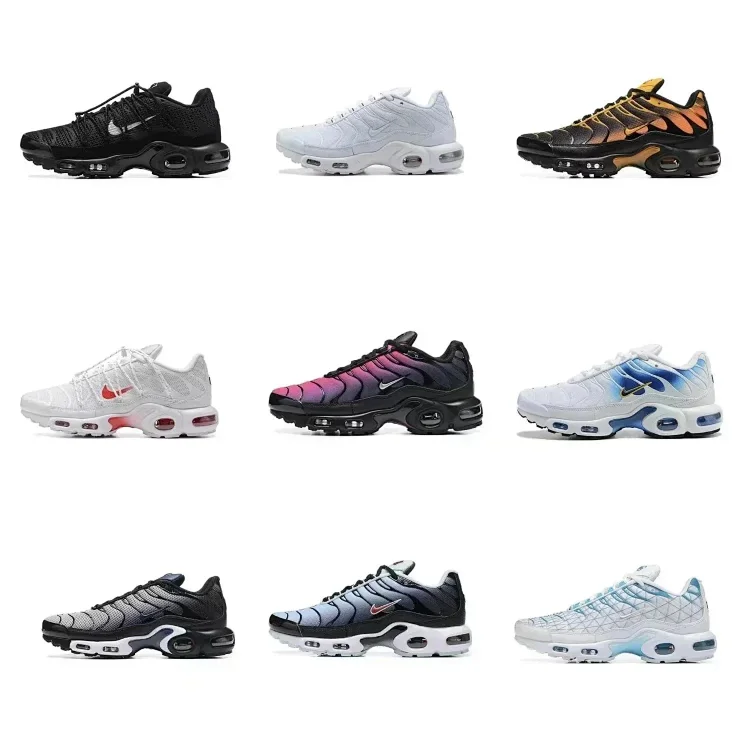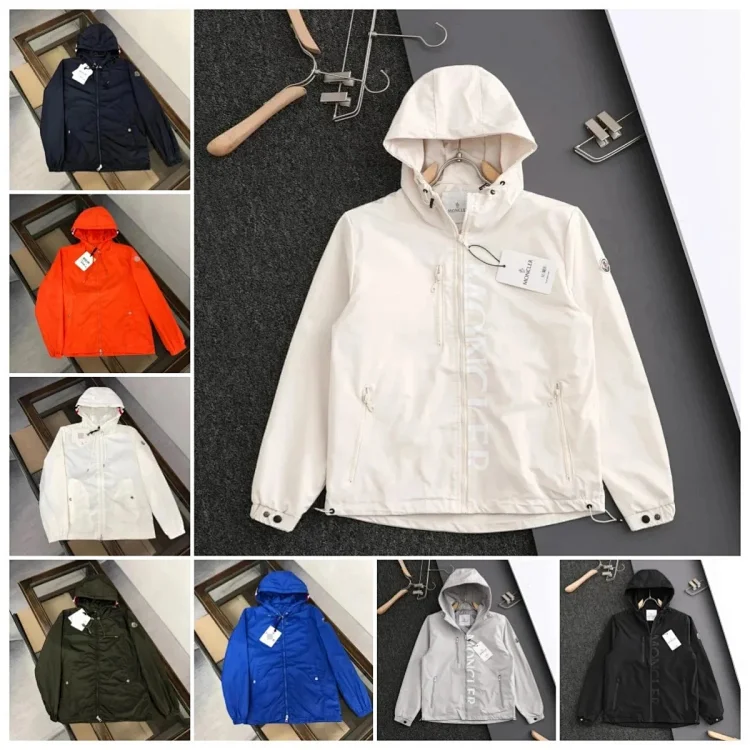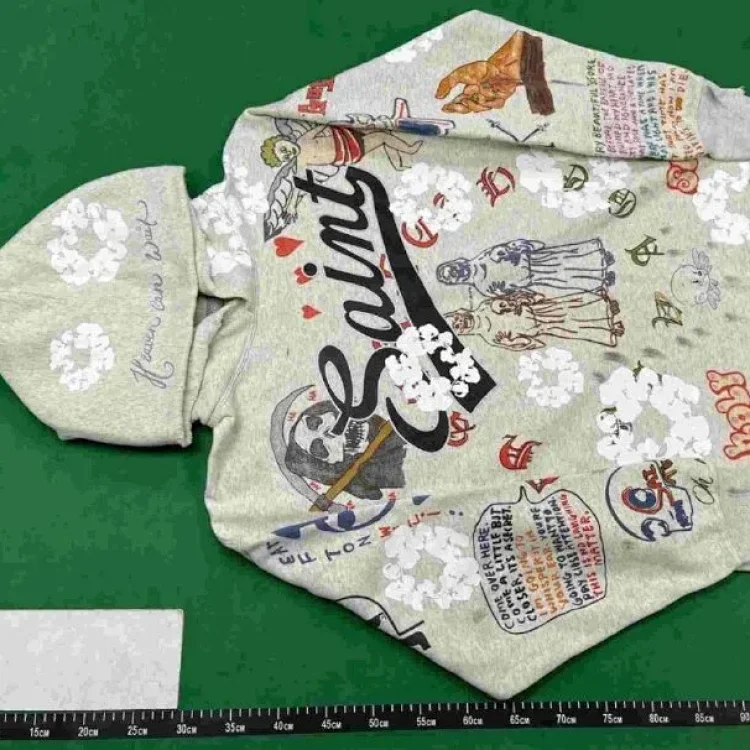
Using Sugargoo is not one transaction. It is a chain of decisions: verify a marketplace listing, let an agent purchase it, inspect the item after it reaches a warehouse, choose what stays or goes back, consolidate a parcel and then select an international route. The useful skill is not memorising where every button sits. It is knowing what evidence is available at each stage and refusing to make the next decision before that evidence arrives. This guide follows that sequence for a UK buyer and separates stable workflow facts from prices, delivery estimates and route restrictions that can change.
Start with the exact listing, not the product name
A useful find begins with a working source link. Open it and confirm the selected colour, size, model, quantity, seller notes, domestic delivery charge and stock status. Variants can have different prices, and a title that looks familiar can hide a different material or batch. Save the listing and the option you selected. That small record becomes important if the item received later does not match the order.
Treat catalogue photos as navigation, not proof. They can help you recognise a silhouette or shortlist an item, but they cannot confirm the condition of the unit that a seller will dispatch. This distinction also keeps a spreadsheet honest: its job is to organise routes and decisions, while the live marketplace page remains the current source for price and availability. If the listing is unclear about measurements or included parts, ask before purchase rather than trying to solve the ambiguity after the item is in a warehouse.
Understand the two payments before setting a budget
The first payment is connected with purchasing the goods and getting them to the warehouse. International delivery is a later decision. A low item price therefore does not describe the landed cost. Domestic delivery, optional services, packaging, international freight and any charges that apply at the destination can sit outside the number shown on the product card.
Build a budget in layers. Record the item total first, then leave a separate allowance for warehouse choices and overseas freight. Do not anchor the whole decision to an old social-media shipping quote. Sugargoo’s estimator compares routes using destination and parcel data, but an estimate made before packing is still provisional. The more useful question is whether the item remains good value across a reasonable range of shipping outcomes. If the purchase only works at one optimistic freight number, it is not yet a robust decision.
Wait for warehouse arrival before judging what you bought
After purchase, the seller still has to dispatch domestically and the warehouse has to receive and register the item. The listing images do not become QC evidence merely because payment has been made. Sugargoo’s published QC guidance says five basic photos are normally provided after arrival. Those images create the first chance to assess the actual item linked to your order.
Read the set in a fixed order: identity, overall shape, visible construction, measurements where fit matters, and packaging. Confirm the ordered option before zooming into small details. For clothing, a labelled size is weaker evidence than a ruler photo of a relevant dimension. For shoes, compare both sides and the left and right pair. QC can reveal visible discrepancies, but it cannot prove authenticity, long-term durability or how an item will feel after repeated wear. A good guide states that limit instead of turning warehouse photos into a guarantee.
Make returns decisions while they are still actionable
When a warehouse image shows a wrong option, visible defect or missing part, decide quickly whether to keep, exchange or request a return. Sugargoo’s published returns material distinguishes between orders that have not yet been purchased, goods already dispatched by the seller and items that must be sent back from the warehouse. The later the stage, the more the result can depend on seller approval, return eligibility and domestic return freight.
Do not assume every marketplace item has the same return window. Customised goods, certain product types and seller-specific conditions may be treated differently. Keep screenshots of the order details, the relevant QC image and the action requested. If the issue is a measurement, show the expected figure and the photographed figure rather than saying only that the size looks wrong. Specific evidence gives support staff and the seller something concrete to assess. Finish these decisions before building the international parcel; an item already sent overseas is in a very different remedy position.
Use the warehouse period as planning time, not a deadline target
Sugargoo’s published storage guide distinguishes order types: purchasing orders receive 100 days of free storage, while resell orders receive 30 days. That can help with combining purchases that arrive on different dates, but it should not encourage indefinite waiting. Each order has its own storage clock, and extensions or overdue handling may carry current terms that need to be checked in the account.
A practical approach is to group items into one intended parcel and give the group a decision date. When the final item arrives, resolve QC and return questions, then move to rehearsal or parcel submission. Consolidation can remove duplicated outer packaging and combine multiple warehouse orders, yet a larger parcel is not automatically cheaper or safer. Route weight limits, dimension limits, item restrictions and the way chargeable weight is calculated can all change the answer. Plan from the parcel backwards: what needs protection, what packaging is optional, and which items are eligible for the same route?
Compare shipping routes with packed data
International freight may be based on actual weight, volumetric weight or another route-specific billing rule. Volumetric weight is commonly calculated from length × width × height divided by the divisor shown for that route. The divisor is not universal, so a calculator using a fixed number can teach the concept but cannot promise the quote. Sugargoo’s own shipping-estimator guidance tells users to enter packed dimensions so routes can be compared on more realistic data.
Look beyond the headline price. Check weight and size limits, item restrictions, tracking, compensation or insurance terms, billing increments and the displayed delivery estimate. Remove packaging only when the saving is worth the lost protection. Shoe boxes and rigid gift boxes can increase volume substantially; fragile hardware may justify keeping more structure. A rehearsal or pre-shipment package simulation can reduce the gap between an early estimate and packed measurements, but the live submission result remains the decision point.
Treat UK customs information as a live compliance check
The buyer remains responsible for making sure goods can be imported and that parcel information is accurate. Product legality, intellectual-property issues, restricted goods, taxes and carrier acceptance are not solved by choosing a popular route. Rules and route availability can change, so use current UK government and carrier information when a purchase raises a compliance question.
Avoid guides that prescribe one declaration value for every parcel. A truthful description and declaration must reflect the actual shipment and the current requirements. Also separate customs processing from carrier movement when reading tracking. A pause does not by itself prove loss, and a community timeline is not a service guarantee. Keep the parcel number, submitted contents, declared information and screenshots of the selected route until delivery. That record is more useful than guessing from a single tracking scan.
Use an evidence ladder from discovery to delivery
At every stage, prefer the newest and most specific evidence. Before purchase, the exact live listing outranks a saved spreadsheet card. After warehouse receipt, images of the received item outrank seller marketing photos. At parcel submission, packed measurements and the current route result outrank an estimate made from product weights. After dispatch, the parcel record and carrier scans outrank someone else’s haul timeline.
This ladder is also the best defence against stale SEO content. Stable pages should explain the workflow, what to check and why. Volatile numbers should carry a date and a reminder to verify them. That approach may look less sensational than promising the cheapest route or a guaranteed delivery window, but it helps a buyer make a decision that remains sensible when a seller changes stock or a carrier updates its rules.
A good Sugargoo workflow is a series of controlled hand-offs: source listing to order, order to warehouse evidence, warehouse evidence to parcel data, and parcel data to the selected UK route. Keep those stages separate, document the important choices and use the live platform record whenever a price, deadline or restriction can change.